Introduction
Design systems become the critical architectural blueprint of contemporary organizations, which guarantees visual and functional integrity as organizations grow. In an online space of rapid expansion, long-term brand sustainability frameworks use these constructs to remove the fragmentation of the design by using standardized and reusable elements. This strategic basis can allow teams to innovate quickly without transforming their very essence, so that design systems help a brand to stay familiar and useful despite all the inevitable changes in technology and the dynamic shifts in the market.
More than the Style Guide: The History of Design Systems
The definition of a brand, over years, has been a fixed PDF style guide–a document that prescribes the location of logos and hexa colors. Nonetheless, a PDF is no longer sufficient in the contemporary omnichannel environment. Long term brand sustainability design systems are living breathing ecosystems of design patterns, snippets of code, and philosophical rules. The design system is the single source of truth to both designers and developers. It balances the unrealistic creative vision with the technical implementation, so that the brand appears and feels the same regardless of whether a person is using a mobile application, the web page, or looking at a real billboard.
Read more Design Systems here.
The Three Core Components of Design Systems
- The Visual Language: Typography, color palettes, iconography, and grid systems.
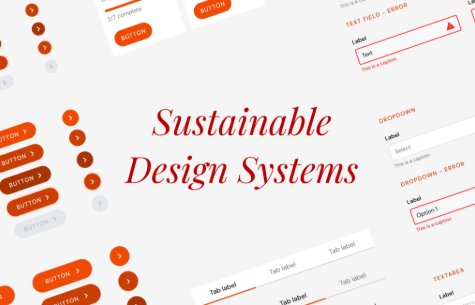
- The Component Library: Reusable UI elements like buttons, form fields, and navigation bars (often mirrored in design tools like Figma and code frameworks like React).
- The Standards: Documentation on how and why to use these elements, including accessibility guidelines and tone of voice.
Why Design Systems are Essential for Sustainability
Sustainability in branding does not have much to do with the environment, it has everything to do with the stability of the brand equity. In the absence of a system, brands are being harmed by a phenomenon that is known as fragmentation where various departments produce an incompatible visual that is confusing to the customer.
1. Eliminating Design Debt
Design debt happens when a group of people comes up with a one-off solution to the current issues without looking at the entire system. This produces a messy interface and fragmented brand in the long run. A system maintains the consistency of maintaining each new feature by ensuring that it is constructed with the existing established atoms.
2. Boosting Operational Efficiency
When developers are able to draw ready-to-use components out of a library, speed to market is enhanced several times. Designers are not longer spending hours in discussion about the border radius of a button; they are getting down to high level user experience issues.
3. Enhancing Brand Recognition
Consistency builds trust. The user would instinctively experience familiarity when he or she observes a particular shade of blue and a certain rounded type in various platforms. This realization is the foundation of loyalty in the long run.
Structuring a Sustainable System: The Atomic Approach
A highly effective approach to construct design systems based on long term brand sustainability involves “Atomic Design,” a design methodology devised by Brad Frost. This method resembles chemistry in order to arrange components.
| Level | Description | Example |
| Atoms | The smallest, indivisible units of the UI. | Colors, fonts, icons, buttons. |
| Molecules | Simple groups of atoms functioning together. | A search bar (Input + Button + Label). |
| Organisms | Complex components composed of molecules. | A website header or a product card. |
| Templates | Page-level objects that display the underlying structure. | A wireframe for a blog post. |
| Pages | High-fidelity instances with real content. | The final “About Us” page. |
Strategies for Maintaining Design Systems
A design system is not a project that has an endpoint; it is a product that is also a serving product. Organizations should consider them as part of their main software to achieve design systems of long term brand sustainability.
Establish a Governance Model
Who decides when a new component is added? A sustainable system requires a clear governance structure.
- Centralized Team: A dedicated group manages the system for the entire company.
- Federated Model: Representatives from different product teams collaborate to update the system.
- Hybrid Model: A small core team manages the library while taking “contributions” from the wider design community.
Prioritizing Accessibility
A brand cannot be sustainable when it does not include a set of its viewers. Accessibility (A11y) should be built into modern design systems. It implies that all color combinations within the system are contrast-tested, and all the interactive elements are navigable with the keyboard and accessible to the screen-reader.
Documentation as a Tool
The greatest design system in the world may not be useful when no one knows how to utilize it. Documentation must be searchable, interactive and have Dos and Don’ts to avoid general abuse of the assets of the brand.
Future-Proofing the Brand Identity
Technology evolves, and a sustainable design system must be flexible enough to evolve with it.
- Design Tokens: These are the “sub-atomic” values (such as color-primary-500) that enable a brand to change its entire visual representation in the web, iOS and Android by adjusting one variable. This is the ultimate design systems tool of long term brand sustainability.
- Scalability for New Media: A sustainable system should consider how the brand translates to AR/VR, voice interfaces, and emerging AI-driven platforms.
- The “Theming” Capability: In the case of global brand expansion, the system can require modification based on the cultures or sub-brands. With a properly designed system, it is possible to do multi-theming without doing any architecture re-engineering.
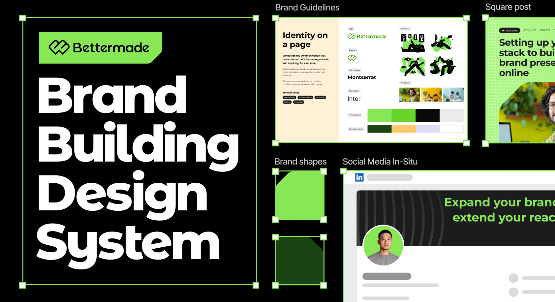
The Business Impact of Systemic Design
Investing in a design system has a definite Return on Investment (ROI). Firms such as Airbnb, Uber and Shopify have credited their high growth rate to their powerful design infrastructure (Polaris, Base and DLS).
- Cost Savings: Reduced duplication of work saves thousands of engineering and design hours annually.
- Onboarding Speed: New hires can become productive within days rather than weeks by following the system’s documentation.
- Quality Control: Updates can be pushed globally from the central library, ensuring that a bug fix in a navigation bar is reflected across every page instantly.
Conclusion
The difference between a brand that ages smoothly and one that turns into a frenzied relic from the past is the design systems that ensure long term brand sustainability. Displacement of fixed assets and relocation towards a living, component-based ecosystem enable organizations to have their teams developing superior work, in a quicker manner. Light-speed world When the world is traveling at a speed of light, it is only through a solid systemic foundation that your brand can be made relevant, recognizable, and resilient. It is a bet on the future clarity of your company and an investment in the people you are serving.
Frequently Asked Questions (FAQs)
1. When is a company “big enough” to need a design system?
If you have more than two designers or developers working on the same product, you already need a basic system. It’s easier to build a system early than to try and retroactively organize a massive, messy codebase.
2. Does a design system kill creativity?
On the contrary. By automating the “boring” parts (like button styles and spacing), you free up designers to solve complex UX challenges and innovate on new features.
3. How do we start building a design system?
Start with a “UI Audit.” Take screenshots of every button, font, and icon currently in your product. The sheer amount of inconsistency you find will provide the motivation needed to start systematizing.
4. What tools are best for hosting a design system?
Figma is the industry standard for design assets. For documentation and code, tools like Storybook, Zeroheight, and GitBook are excellent for keeping everything in sync.