

Introduction
Evidence-based academic guidance for postgraduate research is the cornerstone of a successful doctoral or master’s journey. Post graduate research requires evidence based methods of academic advice to students in an information crowded age so as to help them make difficult decisions regarding methodology and theoretical framework. Through its search functionality, researchers are able to save a lot of time through the unnecessary revisions and speed up their time to publication. It is important to trust it so that all the arguments are supported with strict logic, as a result being able to justify their work with complete confidence.
For more information click the link below:
Evidence Based
Finding the way through the Complexity of Post-Graduation
Passage through undergraduate research into independent research is frequently called a jump into the unknown. Postgraduate research, in contrast to structured coursework, places a great deal of leeway, critical assessment, and skillfulness in niched methodologies. This is the point at which evidence-based scholarly advice to a postgraduate research is invaluable.
Evidence-based guidance emphasizes such approaches as demonstrated pedagogical strategies and evidence-based knowledge to assist researchers in streamlining their operations instead of relying on the advice of anecdotes or trial and error. This will mean that whatever piece of advice is given to a student, be it regarding the site choice, statistical assessment, or theoretical underpinning, will be proven with regard to current best practices in academia and proven results in history.
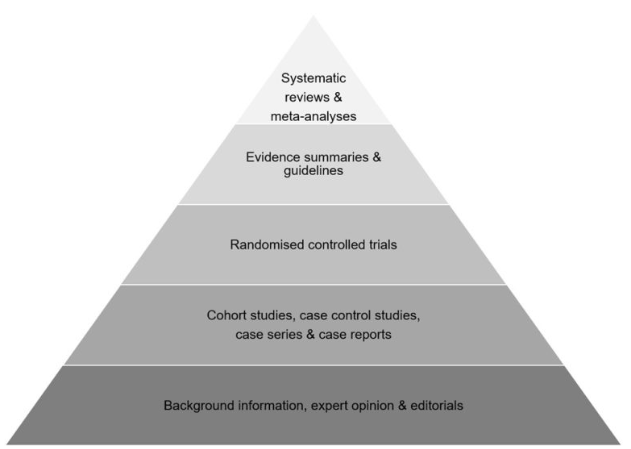
The Pillars of Effective Research Guidance
To maximize the impact of a research project, students must focus on three core areas supported by evidence-based practices:
1. Methodological Rigor and Selection
The cause of thesis rejection due to mismatch in the research question and the selected methodology is one of the most frequent causes of rejection. Evidence-based practice puts an emphasis on questioning first.
- Quantitative Research: Ensuring statistical power and validity through proper sample size calculations.
- Qualitative Research: Maintaining “trustworthiness” through triangulation and member checking.
- Mixed Methods: Integrating data types to provide a comprehensive answer to complex societal problems.
2. Strategic Literature Mapping
Evidence-based guidance shifts towards the synthesis rather than summary model of literature review. Instructors train a systematic review protocol that helps the researcher to make sure not to miss any important data, and the probability of re-inventing the wheel is minimized.
3. Time and Project Management
Postgraduate research is a marathon. It is indicated that the completion rates are over 40X large thesis broken down into 5,000-word goals, which can be handled in small steps called sprints. The advice in this direction is to develop an effective Gantt chart, which considers the delays in data collection and approval by an ethics board.
Comparing Guidance Models: Anecdotal vs. Evidence-Based
| Feature | Anecdotal/Traditional Advice | Evidence-Based Academic Guidance |
| Foundation | Personal experience of one supervisor. | Data-driven pedagogical research and best practices. |
| Methodology | “This is how I did it 20 years ago.” | “Current research suggests this method yields higher validity.” |
| Writing Strategy | Write the whole draft at the end. | Iterative writing with continuous feedback loops. |
| Mental Health | High stress; “sink or swim” mentality. | Structured support with clear milestones. |
| Success Rate | Variable; dependent on supervisor’s time. | Consistently higher completion and publication rates. |
Mastering the Literature Review: A Systematic Approach
A frequent obstacle among postgraduates is the infinite search. Strategies that can be used based on evidence propose employing the PRISMA (Preferred Reporting Items for Systematic Reviews and Meta-Analyses) flow to manage your discovery stage.
- Identification: Use Boolean operators and specialized databases (Scopus, Web of Science).
- Screening: Remove duplicates and filter by abstract relevance.
- Eligibility: Read full texts to ensure the study meets your specific inclusion criteria.
- Inclusion: Synthesize the final list of papers into a thematic map.
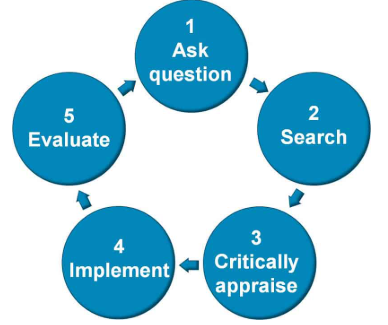
Enhancing Writing Productivity
The “publish or perish” pressure begins long before the PhD is awarded. Evidence-based guidance for academic writing suggests that regularity beats intensity.
- The Pomodoro Technique: Working in 25-minute focused blocks prevents cognitive fatigue.
- The “Write to Learn” Concept: Writing every day, even just reflective notes, helps clarify complex thoughts and accelerates the formal drafting process.
- Peer Feedback Groups: Evidence shows that students who participate in peer review sessions develop a stronger “critical eye” for their own work.
Mental Resilience and the Research Journey
Studies indicate that almost a third of postgraduate students are profoundly psychologically troubled. Evidence-based guidance is also holistic, which is important in the sense that a stressed mind is incapable of coming up with innovative work.
- Establishing Boundaries: Treating research like a 9-to-5 job rather than a 24/7 obsession.
- Supervisory Relationship Management: Learning how to give and receive constructive criticism effectively.
- Community Engagement: Joining research clusters to combat the isolation inherent in doctoral study.
Conclusion
Academic advice on postgraduate research is not merely about completing a degree; it is about making a person into a strict, moral and self-sufficient scholar. Through data-driven strategies, researchers will be able to make sure that their work is useful to the body of knowledge in the world. The evidence-based roadmap is the only certain way to convert a vision into a published reality in the competitive environment of the modern academic circle.
Crea8ive Solutions
Frequently Asked Questions (FAQs)
It refers to guidance based on educational research into what makes a successful PhD or Master’s candidate, rather than just the personal opinion of a single faculty member.
These principles are universal. Whether it’s a 15,000-word Master’s thesis or an 80,000-word PhD dissertation, the need for methodological rigor and structured writing remains the same.
By ensuring your methodology is bulletproof from the start, your research is much more likely to pass the rigorous peer-review process of high-impact journals.
On the contrary. By automating and structuring the “admin” side of research (citations, filing, planning), you free up more cognitive space for creative breakthroughs and original thinking.
Look for advisors who are active in their own research, stay updated on the latest pedagogical tools, and encourage systematic rather than haphazard research workflows.