Introduction
Academic Advisory compliance and integrity form the principles of higher education systems all over the world. The production of knowledge, the development of critical thinking and the certification of professional competence are placed in the hands of universities and colleges. Such roles demand strong structures that guarantee observance of ethical issues, rules and regulations and academic standards. This advisory paper discusses the aspects of compliance and integrity in academics through the analysis of governance structures, policy mechanisms, institutional responsibilities and preventive mechanisms that protect academic standards.
Conceptual Foundations of Academic Compliance
Academic Advisory compliance is defined as the correspondence between the institutional practice and internal policies, the national rules, and international rules in teaching, assessment, research, and administration. Accreditation bodies, governmental agencies and professional councils influence compliance frameworks. They usually concern curriculum design, assessment validity, data protection, research ethics and quality assurance processes. Good compliance systems enhance transparency, accountability and uniformity of academic operations. Universities are becoming more and more complex in terms of regulations. The need to use common compliance mechanisms has been enhanced by cross border education, online learning and international research partnerships. The inability to observe the stipulated rules may lead to a tarnished image, fines, and accreditation. Academic advisory services are therefore very important in advising institutions, faculty and students with regards to their regulatory expectations.
Learn more:
https://wpbk.crea8ive.solutions/wp-admin/post.php?post=27520&action=edit
Academic Integrity as an Ethical Imperative
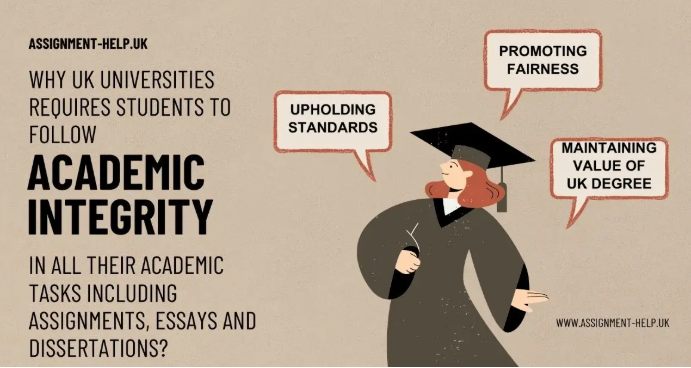
Academic integrity refers to the ethical values that highlight academic behavior. It involves fairness, integrity, respect, responsibility, and learning, teaching and research. The academic qualifications and research results are compromised through integrity breaches like plagiarism, contract cheating, data fabrication, and falsification. Integrity promotion is not restricted to punishment enforcement. It is also necessary that educational methods that encourage ethical consciousness and academic competency. Academic writing, research methodology and citation practices should be taught to foster a culture of integrity. Advisory frameworks focus on prevention by educating other than depending on disciplinary action.

Governance and Institutional Responsibility
Compliance and integrity have an institutional support through governance structures. Policy development and oversight is the responsibility of university senates, ethics committees, quality assurance units and academic boards. Proper assignment of responsibilities will ensure that compliance requirements are ingrained both in academic and administrative units. The commitment of leadership plays decisive role in good governance. The top management needs to express the institutional values, resource allocation as well as facilitate professional growth in terms of ethics and compliance. Mechanisms used to advise suggest the revision of policies on a regular basis due to the new challenges like artificial intelligence assisted assessment and online proctoring.
Key Areas of Academic Compliance and Integrity
| Domain | Core Focus | Institutional Measures |
| Teaching and Assessment | Fairness and validity | Moderation processes, assessment audits |
| Research Ethics | Responsible scholarship | Ethics approval, data management plans |
| Student Conduct | Academic honesty | Integrity codes, plagiarism education |
| Staff Responsibilities | Professional ethics | Training, performance review |
| Quality Assurance | Continuous improvement | Programme review, external evaluation |
This table illustrates the interrelated domains that require coordinated compliance strategies. Academic advisory services often employ such frameworks to assess institutional readiness and risk exposure.
Prevention and Risk Management Strategies
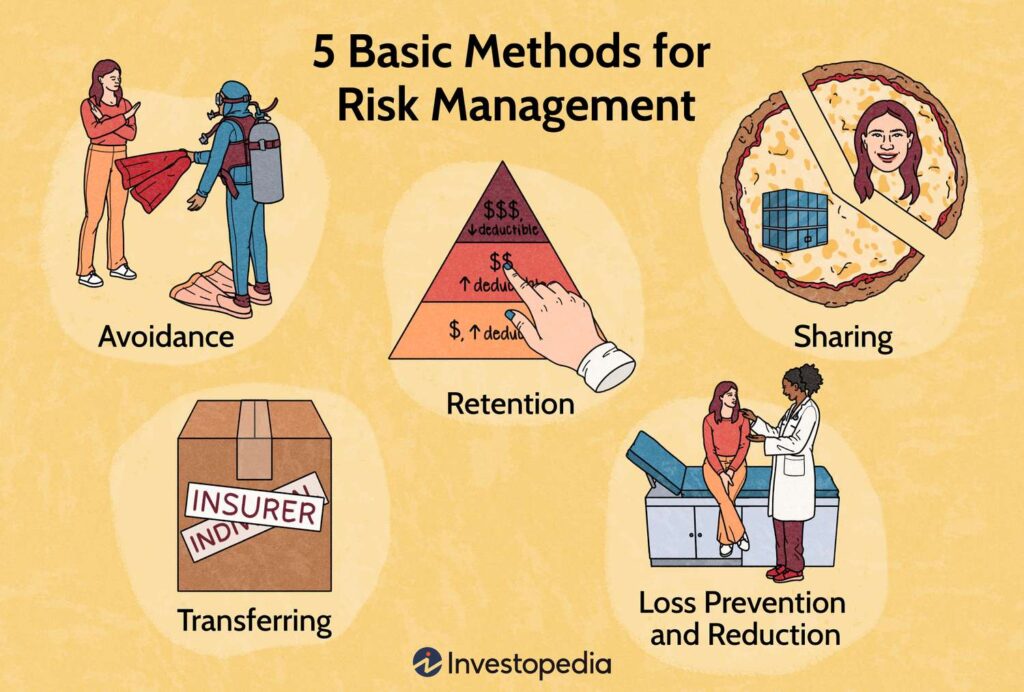
The maintenance of academic integrity revolves around preventive measures. Curriculum and assessment planning in institutions are becoming more and more sensitive to the use of integrity by design. Realized forms of assessment, such as, decrease the chances of malpractice through focusing on practical learning and critical thinking. Technological tools that are employed in risk management include checking plagiarism software and secure assessment systems. Even though these tools facilitate compliance, they need to be done with a fair consideration of data protection and fairness. Proportionality and transparency in monitoring practices are highlighted as advisory guidelines.
Role of Academic Advisory Services
Academic advisory services act as mediators between policy and practice in academics. They give advice on interpretation of regulations, policy implementation and decision making with regard to ethics. Advisors facilitate the faculty to match the assessment and research practices with the institutional standards. They also help the students by explaining what is expected of them in terms of academic behavior and academic conventions. Advisory committees are important in studies where some ethical guidelines are followed which include adherence to ethical guidelines in relation to human subjects, privacy of data, and intellectual property. Their control improves the reputation and trust in academic research in society.
Global and Digital Dimensions
Academic compliance and integrity has a wider scope due to globalisation and digital transformation. International relationships involve ensuring that there is harmonisation of ethical values amongst jurisdictions. There are other challenges associated with the online learning that concern the identity verification, security of assessment and fair access. The advisory frameworks are also encouraging the international benchmarking and best practice guidelines. Relationship to global principles of integrity empowers the institution and becomes more recognized internationally.
Want to lear more click on the link below:
https://www.teqsa.gov.au/guides-resources/compliance-focus/compliance-focus-academic-integrity
Visual Resources for Academic Advisory Contexts
Relevant images may be included to enhance comprehension and engagement, such as:
- Diagram illustrating academic governance and compliance structures
- Flowchart depicting academic misconduct reporting and resolution processes
- Infographic summarising principles of academic integrity
- Visual representation of quality assurance cycles in higher education
These images support conceptual clarity and are suitable for academic advisory publications.
Conclusion
The legitimacy and sustainability of higher education depends on academic compliance and integrity. They also demand the full governance systems, ethical leadership and unceasing advisory assistance. Incorporating a combination of regulatory and educational strategies to integrity, institutions can create the environment but encourage scholar values and trust. The academic advisory services are critical in the handling of the dynamic challenges and in the delivery of the academic and social roles of higher education.
Frequently Asked Question (FAQ’s)
What is academic compliance in higher education?
It is the adherence of institutions to academic regulations, policies, and quality standards.
Why is academic integrity important?
It preserves the credibility of qualifications and the trustworthiness of scholarly work.
How is academic integrity promoted among students?
Through education, clear policies, and ethically designed assessments.
What is the role of academic advisory services?
They guide institutions, staff, and students on compliance and ethical academic practice.
How does digital education affect academic integrity?
It increases the need for robust policies addressing assessment security and ethical technology use.